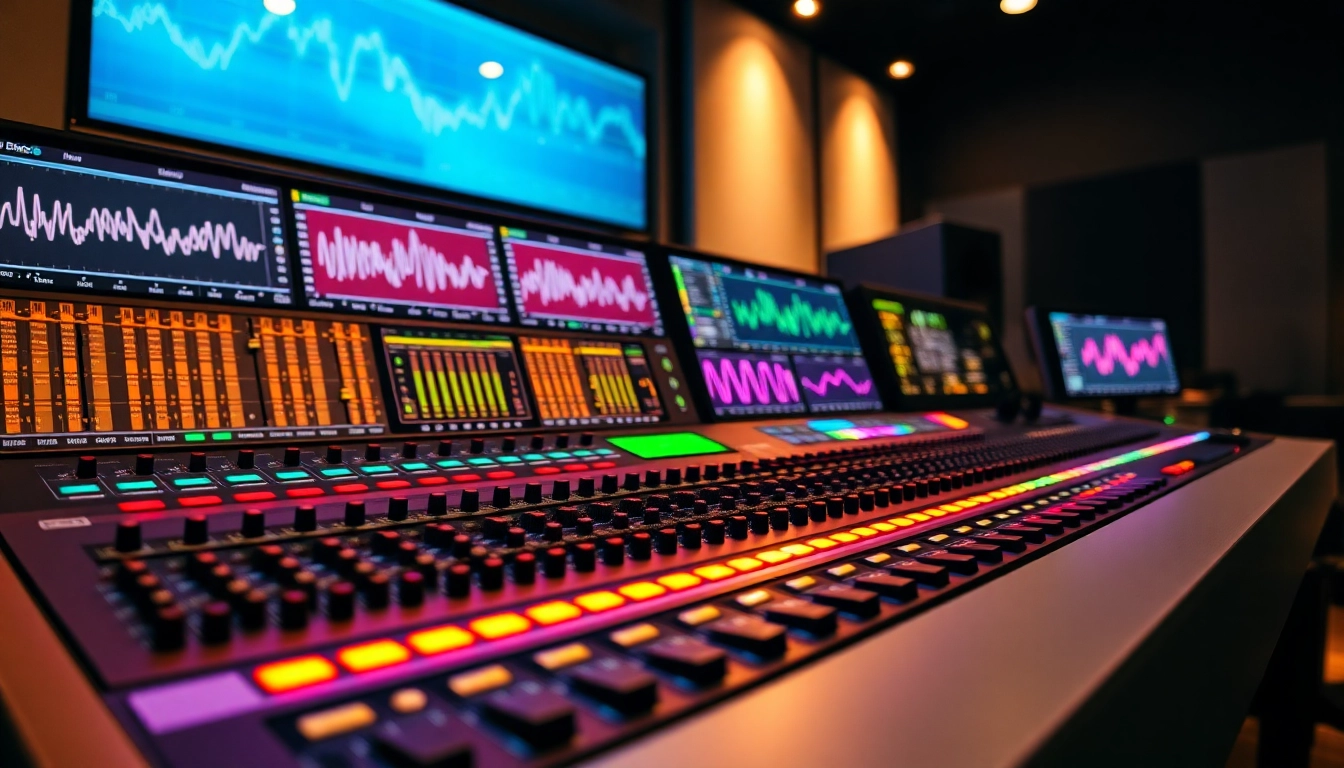
Introduction to the Q388 Digital Mixing Console
The evolution of audio technology has led to significant innovations in sound mixing, allowing for unparalleled creativity and precision. Among these advancements is the Q388, particularly the DiGiCo Quantum 338, which has become a pivotal tool for sound engineers and audio professionals. This digital mixing console is designed to meet the demands of modern audio production, whether in live performances, studio recording sessions, or broadcast environments. With its robust features and high processing power, users can achieve exceptional sound quality and flexibility.
In this comprehensive guide, we will explore the key functionalities of the Q388, delve into its technical specifications, and discuss best practices for its use. Additionally, case studies will illustrate its application in real-world scenarios, providing insights into how the Quantum 338 can be leveraged for optimal audio performance. For further exploration, check out Q388 and discover more about its capabilities.
Understanding the DiGiCo Quantum 338
The Features of Q388
The DiGiCo Quantum 338 boasts an array of features that place it at the forefront of digital mixing technology. With 128 input channels, it provides extensive versatility for various applications. The unique design integrates advanced audio processing powered by seventh-generation FPGA devices, enabling the console to deliver superior sound quality and operational efficiency.
One of the standout features of the Quantum 338 is its user interface, which includes three 17-inch high-brightness multitouch screens that offer intuitive control and seamless access to intricate settings. Furthermore, the flexible routing options allow audio professionals to customize their setup, ensuring optimal channel management suited to their specific needs.
Key Features Highlighted
- 128 Input Channels: Capable of handling high channel counts crucial for large events.
- Multiple Effects Processing: Comprehensive onboard effects provide enhanced sound shaping.
- User-Friendly Interface: The high-resolution screens simplify navigation and operation.
- Advanced Connectivity: Features MADI connectivity and support for various audio formats.
The Importance of Digital Mixing in Modern Audio
As the audio landscape continues to evolve, the importance of digital mixing cannot be overstated. Digital consoles like the Q388 enable sound engineers to manipulate audio signals with unparalleled precision. This capability is essential not only for live performances but also in studio settings, where the minutiae of sound can significantly impact the final product.
Moreover, the integration of digital mixing consoles has streamlined workflows, allowing users to recall settings, automate processes, and implement complex audio requirements with ease. These advancements ensure that sound quality remains high, regardless of the context in which the console is used.
Technical Specifications of the Q388
Input and Output Capabilities
The input-output framework of the Quantum 338 is designed to accommodate a wide range of audio applications. With its capability to manage 128 inputs and 64 buses, it facilitates a flexible mixing environment suited for any live or studio situation. Furthermore, the inclusion of various output formats—including stereo, LCR, and surround sound—adds substantial versatility.
Each input channel is equipped with its own processing capabilities, which include equalization, dynamics controls, and effects routing, allowing for comprehensive sound shaping. This architecture is essential for achieving the clarity and detail expected in professional audio contexts.
Audio Processing Power Explained
The Quantum 338’s audio processing power is central to its performance. Leveraging advanced digital signal processing (DSP) capabilities, it can handle complex audio tasks without latency. High-quality 32-bit ADC and DAC conversion ensures that the sound remains pristine, preserving the integrity of the audio signals throughout the mixing process.
This level of processing capability is pivotal in both live scenarios, where real-time adjustments are necessary, and in studio environments, where precision is paramount. Its revolutionary architecture supports extensive programming, enabling users to craft customized audio solutions tailored to specific requirements.
Connectivity Options for the Quantum 338
In today’s interconnected world, robust connectivity is crucial for any professional audio console. The Q388 offers extensive options, including MADI, AES/EBU, and analog outputs. This flexibility allows seamless integration with other equipment, including microphones, instruments, and recording systems, making it an ideal choice for sound engineers working across various setups.
Additionally, the Quantum 338 supports remote control and monitoring, enhancing user experience and workflow efficiency. With the ability to connect to external devices and networks, it positions itself as a cornerstone in modern audio production environments.
Best Practices for Using the Q388 Console
Setting Up Your Quantum 338 for Optimal Performance
To maximize the performance of the Quantum 338, proper setup and configuration are essential. Begin by ensuring that the firmware is up-to-date, which will provide the latest features and fixes. Following that, organize your input channels based on the anticipated setup to facilitate smooth operations during events.
Utilizing templates can significantly streamline the setup process. By creating templates that reflect common configurations, sound engineers can avoid repetitive adjustments and save valuable time during critical moments, ensuring the focus remains on delivering an exceptional audio experience.
Common Mistakes to Avoid in Sound Mixing
Sound mixing is a nuanced craft, and avoiding common pitfalls can enhance the overall experience. One prevalent mistake is neglecting the importance of monitoring levels; consistently checking input and output levels can prevent distortion and ensure that all elements of the mix are clear. Furthermore, over-processing signals can lead to undesirable results, so it’s crucial to exercise restraint and apply effects judiciously.
Another frequent error is overlooking the importance of room acoustics. The environment in which mixing occurs can greatly influence sound quality, so investing time in optimizing the acoustic treatment of the space can yield significant benefits.
Tips for Achieving Professional Sound Quality
Achieving professional sound quality is the ultimate goal for any audio engineer. Start by employing high-quality microphones and cables to capture the best possible sound at the source. Additionally, pay attention to the arrangement of speakers and monitors; proper positioning can dramatically improve the listening experience.
Furthermore, take advantage of the Q388’s advanced EQ and dynamics processing features. Fine-tuning these elements can help clarify individual channels within the mix, ensuring that each component stands out without clashing with others.
Real-World Applications of the Q388
Case Studies: Successful Events Using the Quantum 338
The Quantum 338 has been utilized in a variety of successful events, showcasing its versatility and reliability. For instance, during a recent music festival, the console managed over 100 inputs, flawlessly mixing multiple bands throughout the day. The intuitive user interface allowed the sound engineers to make quick adjustments based on the dynamic nature of live performances, resulting in consistent sound quality across all acts.
Similarly, in corporate events, the Quantum 338 has proven invaluable for maintaining clear audio during presentations and keynote speeches, where precision and clarity are paramount. The console’s ability to seamlessly integrate with video systems also enhances the overall production quality.
The Role of Q388 in Live Music Production
In live music production, the Q388 plays a vital role in ensuring that the audience experiences the performance as intended. With its extensive channel capabilities and advanced processing, it allows engineers to create dynamic mixes that respond to the unique energy of live performances. This adaptability is crucial, as live events often require real-time decision-making and adjustments.
Furthermore, the ability to store snapshots of settings means sound engineers can switch between different configurations quickly, adapting to a range of performers and styles without losing sound integrity.
Using Quantum 338 for Studio Recording
Beyond live settings, the Quantum 338 excels in studio recording applications, providing audio engineers with the tools needed for high-fidelity recordings. Its comprehensive routing options and onboard processing capabilities facilitate nuanced sound shaping that is essential for achieving professional results.
When utilizing the Quantum 338 in a studio, engineers can benefit from its ability to connect a variety of outboard gear, ensuring that all aspects of sound production can be thoroughly polished. This level of flexibility supports creative experimentation, allowing artists to achieve their desired sound with greater ease.
The Future of Audio Mixing: Trends and Innovations for 2025
Emerging Technologies in Digital Mixing Consoles
As we look toward 2025, the landscape of digital mixing consoles is set to evolve further. Emerging technologies, such as artificial intelligence and machine learning, are anticipated to play a significant role in transforming how sound is mixed and produced. These advancements could automate routine mixing tasks, allowing engineers to focus more on creativity and artistry rather than technicalities.
Additionally, developments in wireless connectivity and remote control capabilities will enable greater collaboration among audio professionals, allowing them to work seamlessly across geographical boundaries.
Predictions for Audio Production in the Next Five Years
In the coming years, audio production is expected to become more immersive, with trends pointing towards increased use of spatial audio techniques and virtual reality integration. As audiences seek more engaging experiences, sound engineers will need to adapt their approaches to meet these demands, requiring advanced tools like the Q388 to navigate this new landscape effectively.
Furthermore, sustainability will likely become a critical focus within the industry, prompting manufacturers to innovate eco-friendly solutions in audio technology.
How to Stay Updated with Q388 Advancements
To remain at the forefront of audio technology, professionals should actively seek out resources that provide insights into new advancements related to the Q388. Engaging with industry forums, attending trade shows, and participating in training sessions can empower sound engineers to leverage the latest features and maintain a competitive edge.
By staying informed, audio professionals can continue to elevate their sound mixing capabilities, ensuring they deliver top-quality performances in an ever-evolving industry. For those interested in further refining their knowledge, exploring the realm of Đá gà Q388 offers additional avenues for discovery and expertise.
