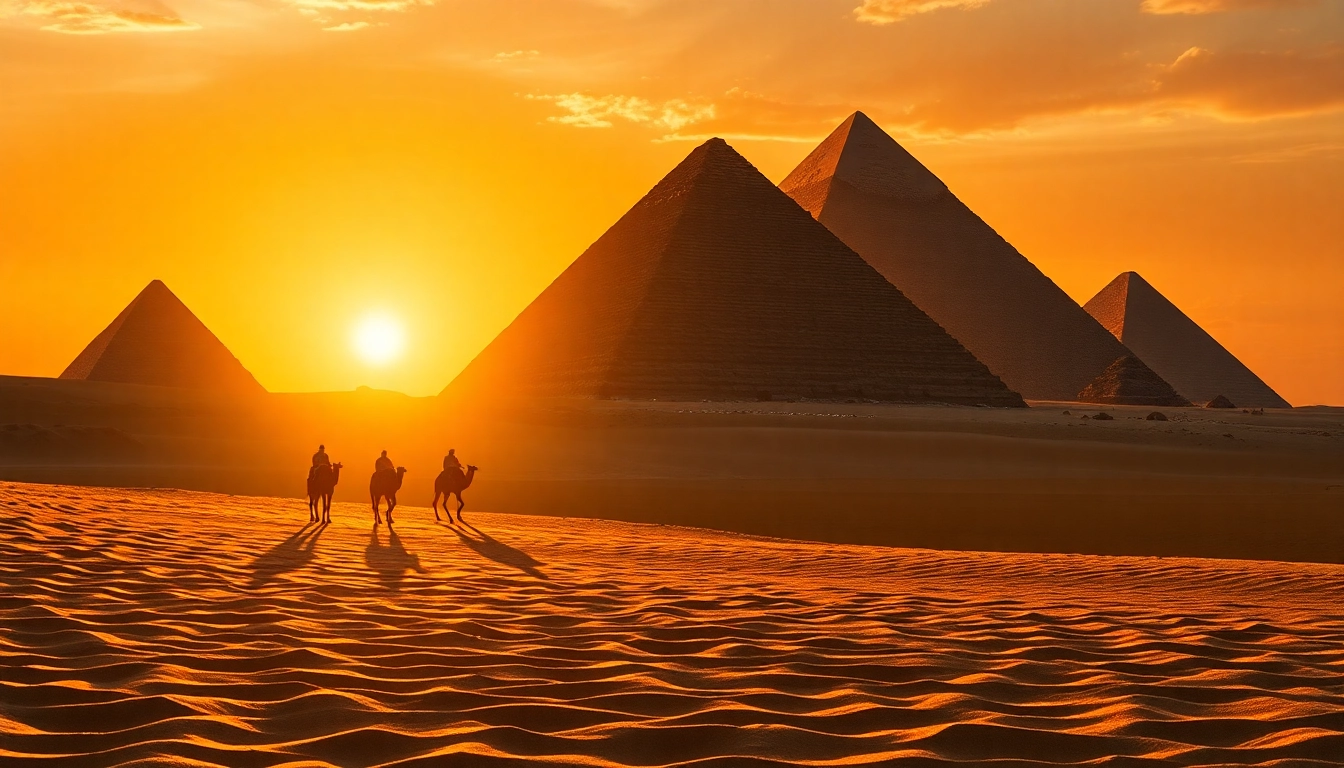
The Great Pyramids of Egypt have intrigued humanity for centuries, standing as monumental testaments to the ancient civilization’s ingenuity and ambition. These colossal structures are not merely grand tombs for pharaohs; they embody the mystical and cultural essence of ancient Egypt. From their intricate construction techniques to their role in modern tourism, the pyramids maintain a significant place in both history and contemporary society. For those eager to delve into the vast world of these ancient monuments, the detailed information found at https://piraminds.com/ offers a fantastic starting point.
The Fascinating History of the Great Pyramids
Origins and Construction Techniques
The origins of the Great Pyramids can be traced back to around 2580 to 2560 BCE, during the Fourth Dynasty of Egypt’s Old Kingdom. The most renowned of these, the Great Pyramid of Giza, was built for Pharaoh Khufu. Ancient Egyptians viewed these monumental structures as gateways to the afterlife, wherein the deceased could transcend earthly limitations.
Construction techniques for these pyramids remain a topic of debate among historians and archaeologists. The general consensus suggests a combination of skilled labor and ingenious engineering. For instance, workers transported massive limestone and granite blocks from quarries, employing sledges and lubrication to traverse the sandy terrain. The precision in alignment and placement of stones showcases the immense architectural prowess present in antiquity.
Symbolism and Cultural Significance
The pyramids symbolize the pharaohs’ divine status and their connection to the gods, particularly the sun god Ra. The pyramid’s shape is believed to have represented a stairway to heaven. Ancient Egyptians believed these structures facilitated the pharaoh’s journey in the afterlife, which in turn ensured harmony and prosperity for the kingdom. Moreover, pyramids served not just as tombs but as sites for ritualistic ceremonies underscoring the significance of life after death.
Pyramids in Ancient Egyptian Society
Pyramids were pivotal to the socio-political framework of ancient Egypt. Constructing such opulent structures required a significant labor force, which in turn bolstered the economy. Skilled laborers, often seasonal workers during Nile flooding, received sustenance and shelter, creating a community bound by a common purpose. Additionally, the construction was a source of national pride, reinforcing the pharaoh’s image as a god-like figure among his people.
Architectural Marvels: An Inside Look
Design and Structural Elements of Pyramids
The architectural design of the Great Pyramids exemplifies advanced engineering concepts and meticulous planning. The structure’s base is a perfect square, with each side measuring approximately 230 meters. The sides are aligned with the cardinal points—North, South, East, and West—showing an extraordinary understanding of astronomy.
Internally, the pyramid consists of a series of chambers and passageways that lead to the burial chamber. The design prevents the looting of treasures, employing numerous complex tunnels and hidden traps. The Great Pyramid consists of three main chambers: the King’s Chamber, Queen’s Chamber, and the Grand Gallery, each serving distinct purposes related to the burial rituals.
Innovative Building Methods
Despite the remarkable achievements in pyramid construction, many questions remain about the methods employed. Recent studies suggest that a systematic approach, involving ramps and levers, was crucial to transporting and positioning the massive stones. The use of straight and circular ramps allowed workers to move stones effortlessly to varying heights, demonstrating a remarkable understanding of physics. These innovations reveal the Egyptians not only as builders but as pioneers in architecture and engineering.
Recent Discoveries and Findings
Advancements in technology have led to multiple discoveries regarding the pyramids. Recent archaeological efforts have revealed previously hidden chambers and tunnels within the Great Pyramid, suggesting that much about their construction techniques remains to be uncovered. Additionally, the use of non-invasive methods, such as thermal imaging, helps researchers identify unexplored areas without compromising the integrity of these ancient structures.
The Pyramids’ Role in Tourism and Economy
Impact on Global Tourism
The Great Pyramids attract millions of tourists yearly, significantly impacting Egypt’s economy. As one of the Seven Wonders of the Ancient World, they are a focal point for travelers interested in history, architecture, and culture. Tourist influx benefits local businesses, ranging from hotels to souvenir shops, creating a vibrant economic ecosystem around the pyramids.
Modern Tourist Attractions Near the Pyramids
Adjacent to the pyramids are several modern attractions that enhance the visitor experience. The Sphinx, a mythical creature with a lion’s body and a human head, offers tourists a glimpse into the emblematic artistry of the period. Additionally, museums showcasing artifacts from the pyramids, like the Egyptian Museum in Cairo, provide context to the historical significance of these ancient wonders.
Economic Contributions of Tourism
Tourism spurred by the pyramids contributes billions to Egypt’s GDP. Jobs created through tourism have empowered communities, and foreign investments continue to flow into infrastructure developments. The attention garnered by the pyramids promotes cultural exchange and global awareness of Egypt’s rich history, fostering a deeper appreciation for its heritage.
Protecting and Preserving the Pyramids
Conservation Efforts for the Pyramids
Preserving the Great Pyramids from environmental wear and tear is crucial. Various international organizations and archaeological bodies are actively involved in conservation projects aimed at maintaining the integrity of the structures. Techniques such as structural stabilization, restoration of eroded stones, and protective measures against pollution are pivotal in these efforts.
Challenges Facing Preservation
Despite ongoing conservation efforts, the pyramids face various challenges, including environmental damage from pollution, climate change, and tourism pressure. Each of these elements poses a risk to the structural stability and historical accuracy of the sites. An increase in tourism brings both revenue and strain, requiring careful management to balance economic benefits against preservation needs.
The Role of International Bodies
Organizations such as UNESCO play a vital role in the preservation efforts of the pyramids. They help raise international awareness, facilitate funding, and promote the importance of conserving such historical monuments. By involving local authorities and communities, these organizations ensure that preservation efforts are sustainable and culturally sensitive.
Visiting the Pyramids: Tips for Travelers
Best Times to Visit
The best time to visit the pyramids is during the cooler months, from October to April, when temperatures are more manageable. Early mornings or late afternoons avoid peak tourist hours and allow for a more intimate experience. Planning visits during weekdays can also help reduce crowds.
Cultural Etiquettes to Consider
Understanding local customs is vital when visiting the pyramids. Dress modestly, respecting Egyptian culture, especially in and around sacred sites. Be courteous when taking photographs and consider asking for permission, particularly when capturing local individuals or their property. Being aware of cultural practices contributes to a more respectful travel experience.
Must-See Spots Around the Pyramids
A visit to the pyramids wouldn’t be complete without exploring additional attractions. The Solar Boat Museum houses an ancient ceremonial vessel believed to have been built for Pharaoh Khufu. The panorama from the Giza Plateau offers breathtaking views of all three pyramids, making it a fantastic photo opportunity.
Frequently Asked Questions
1. How were the pyramids built?
Ancient Egyptians used a combination of skilled labor, ramps, and levers to transport and position large stones, showcasing advanced engineering techniques for their time.
2. What can I expect when visiting the pyramids?
Visitors can explore the pyramid grounds, encounter the Sphinx, and view various museums or attractions that provide context on the pyramids’ historical significance.
3. What is the best time to visit the pyramids?
Late fall to early spring (October to April) is ideal due to cooler temperatures, with mornings and late afternoons also being the least crowded times to visit.
4. Are there any preservation efforts for the pyramids?
Yes, international organizations like UNESCO are involved in conservation projects to maintain the structural integrity and historical significance of the pyramids.
5. How do pyramids affect Egypt’s economy?
Pyramids significantly boost Egypt’s tourism sector, generating revenue and creating numerous jobs in hospitality, retail, and service industries linked to tourism.