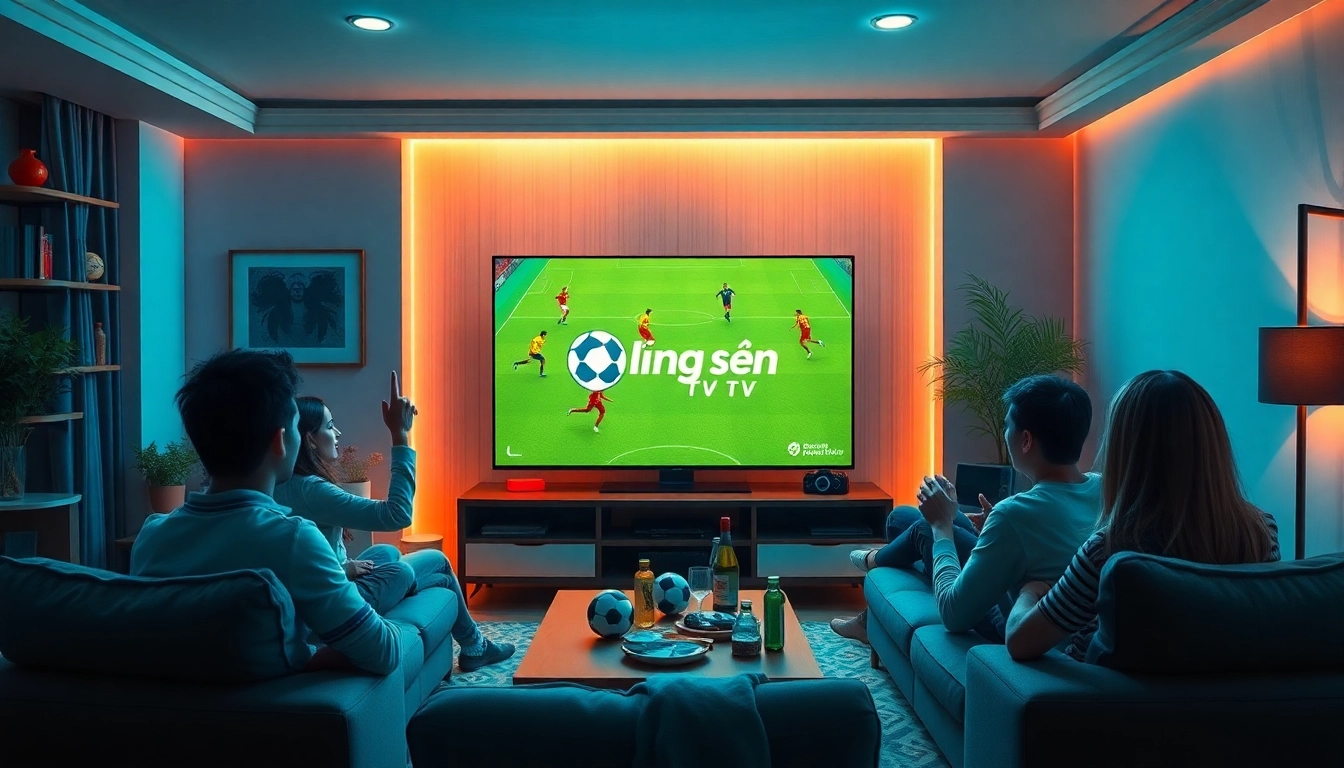
The Evolution of Sports Broadcasting
Historical Context of Sports Broadcasting
Sports broadcasting has roots that extend deep into the early days of radio and television. The excitement surrounding live sports events led to pioneering broadcasts that captured the interest of audiences. In the mid-20th century, television transformed how fans consumed sports, allowing them to experience events in real-time from the comfort of their homes. From the first televised baseball games to the iconic boxing matches of the era, sports broadcasting gradually evolved into a fundamental part of sports culture, serving as a bridge between fans and the athletes they admired.
Technological Advances Shaping the Industry
Technological innovations have played a pivotal role in the evolution of sports broadcasting. High-definition television (HDTV) marked a significant upgrade in viewing quality, later followed by Ultra High Definition (UHD) and 4K broadcasting. Furthermore, the rise of internet streaming platforms has revolutionized access to sports events, enabling viewers to watch their favorite games on multiple devices anytime, anywhere. Enhancements in graphics, instant replay technology, and augmented reality are now standard practices, enriching the viewer experience and engagement.
Future Trends in Sports Broadcasting
Looking ahead, several trends appear poised to shape the future of sports broadcasting. The integration of virtual and augmented reality is expected to bring immersive viewing experiences to fans. Data analytics will enhance the fan experience through personalized content and tailored advertisements. Additionally, the potential for more interactive broadcasts will allow viewers to engage with real-time statistics and analytics, making sports broadcasting not just a passive experience but an active one. As audiences continue to gravitate toward digital platforms, the evolution of Sports Broadcasting will increasingly focus on accessibility and consumer engagement.
Key Components of Effective Sports Broadcasting
Top Technologies Used in Sports Broadcasting
Effective sports broadcasting relies on a multitude of technologies that enhance the production and presentation of sporting events. Camera technology has advanced tremendously, with high-speed and 360-degree cameras allowing for dynamic footage. Graphics and analytics software provide real-time data visualization, which offers deeper insights into the game, helping viewers better understand the action. Drones are now commonly used for aerial shots, providing unique perspectives that were previously unattainable.
Importance of Live Coverage
Live coverage remains the backbone of sports broadcasting, creating a shared experience among fans. The excitement of watching an event unfold in real time is irreplaceable, drawing in viewers who crave the immediacy of the action. Additionally, live coverage fosters interactivity through social media and live chats, allowing fans to engage with one another and commentators while the game is occurring, thus enhancing the overall viewing experience.
Commentary Styles and Their Impact
The style of commentary can significantly influence how viewers engage with a broadcast. Different approaches, from analytical to entertaining commentary, cater to diverse audience preferences. Expert commentators provide insights that enhance understanding, while charismatic presenters can make the experience more enjoyable. Balancing expert analysis with engaging delivery is crucial for retaining viewer interest and creating an emotionally resonant experience.
Building a Winning Sports Broadcasting Strategy
Identifying Your Target Audience
Your target audience plays a vital role in shaping your broadcasting strategy. Understanding demographics—such as age, gender, and viewing habits—allows broadcasters to tailor content effectively. Surveys and analytics tools can provide valuable insights into who is watching, what they enjoy, and how they engage with the content. Using this information to create specific programming can drive viewership and loyalty.
Creating Engaging Content for Broadcast
Content is king in sports broadcasting, and creating engaging material is fundamental for drawing in audiences. This involves developing unique storylines, covering behind-the-scenes events, and showcasing player personalities. Additionally, utilizing fan-generated content can further enhance engagement, as it provides viewers with a more personal connection to the broadcast. The production quality must align with the expectations of the audience for maximum impact.
Effective Use of Social Media for Promotion
Social media is a powerful tool for promoting sports broadcasts. Platforms like Twitter, Instagram, and TikTok allow broadcasters to reach new audiences and engage with existing fans. Leveraging strategy around highlights, behind-the-scenes content, and live updates generates buzz and anticipation for upcoming events. Consistent interaction with followers can create a community atmosphere and promote viewer retention.
Challenges in the Sports Broadcasting Landscape
Navigating Licensing and Rights Issues
Sports broadcasters face significant challenges regarding licensing and rights. Acquiring broadcasting rights for specific events often comes with a hefty price tag, and regulations can vary by region. Navigating these complexities requires a strategic approach to ensure that the necessary agreements are in place, allowing for uninterrupted coverage. Legal expertise is often essential in this arena to avoid potential pitfalls.
Competing Against Growing On-Demand Platforms
The rise of on-demand streaming services presents a clear challenge to traditional sports broadcasting. Viewers increasingly prefer the flexibility and convenience of watching content on their own terms. To compete, broadcasters must innovate by providing unique offerings, such as exclusive content, informative analysis, and interactive features. Understanding the viewing habits of audiences can aid in developing strategies that leverage these on-demand trends.
Addressing Viewer Engagement and Retention
In an era marked by shortening attention spans, viewer engagement and retention are pressing concerns for sports broadcasters. Strategies focused on interactive content, viewer participation, and personalized experiences are essential for overcoming audience drop-off. Post-event analyses, fan polling during the broadcasts, and community-building approaches can foster loyalty, keeping audiences engaged long-term.
Measuring Success in Sports Broadcasting
Key Performance Indicators to Track
To evaluate the success of a sports broadcast, it is critical to track relevant key performance indicators (KPIs). Metrics such as viewership numbers, audience demographics, engagement rates, and social media interactions provide insight into the broadcast’s effectiveness. Utilizing these data points can help broadcasters refine their strategies for future events and improve their overall content offerings.
Analyzing Audience Feedback
Gathering and analyzing audience feedback is crucial for continuous improvement in sports broadcasting. Surveys, social media feedback, and viewer comments can offer valuable insights into what is working and where there is room for improvement. Listening to the audience improves content and builds trust, demonstrating that the broadcaster is attuned to fan interests and concerns.
Continuous Improvement Strategies
Adapting to feedback and analytics signals a commitment to continuous improvement in broadcasting. Implementing trial periods for new programming, testing different commentary styles, and programming changes allows broadcasters to assess audience reactions and pivot where necessary. This agile approach not only meets audience expectations but also cultivates innovation within the broadcasting team.
Frequently Asked Questions
What is sports broadcasting?
Sports broadcasting refers to the live or recorded transmission of sporting events on television, radio, or online platforms, allowing fans to watch and engage with sports from various locations.
How has technology impacted sports broadcasting?
Technology has transformed sports broadcasting by enhancing picture quality, introducing real-time statistics, and enabling online streaming, making sports more accessible to global audiences.
What are key strategies for engaging an audience in sports broadcasting?
Key strategies include understanding audience demographics, creating compelling narratives, leveraging social media for promotion, and maintaining high production quality for broadcasts.
What challenges do sports broadcasters face?
Challenges include navigating licensing issues, competing with on-demand platforms, and maintaining viewer engagement in a highly saturated market.
How can broadcasters measure success?
Success can be measured using key performance indicators (KPIs) such as viewership statistics, audience engagement metrics, and audience feedback, guiding future strategies.